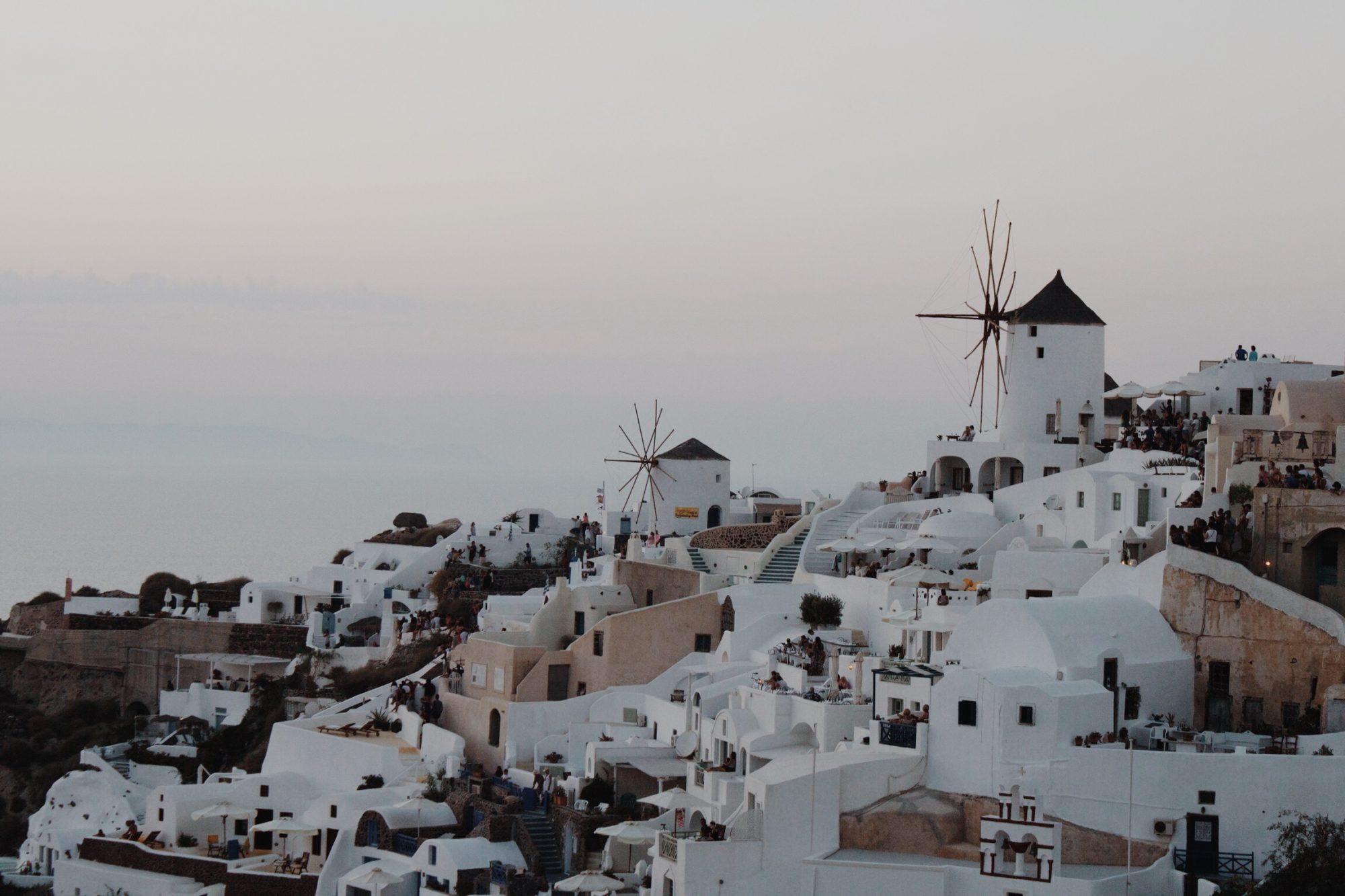
Activity 4.1 – Aperture and depth of field
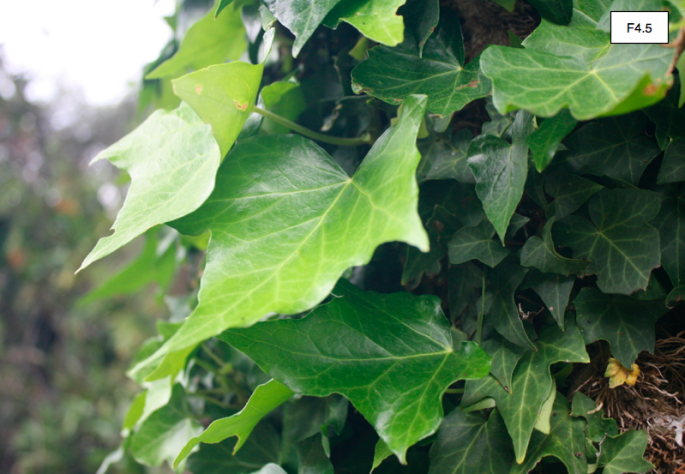
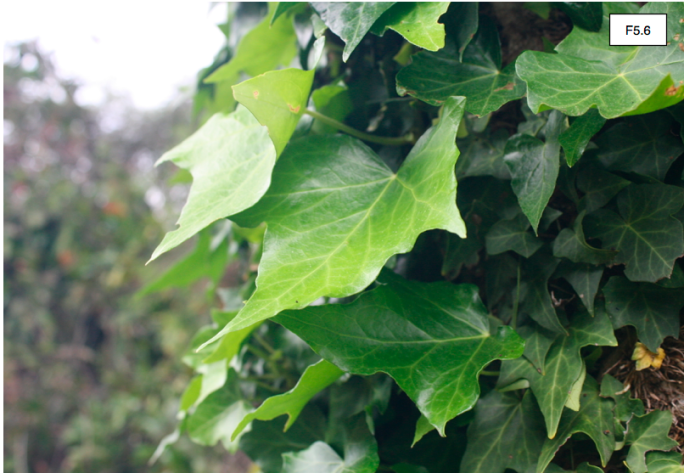
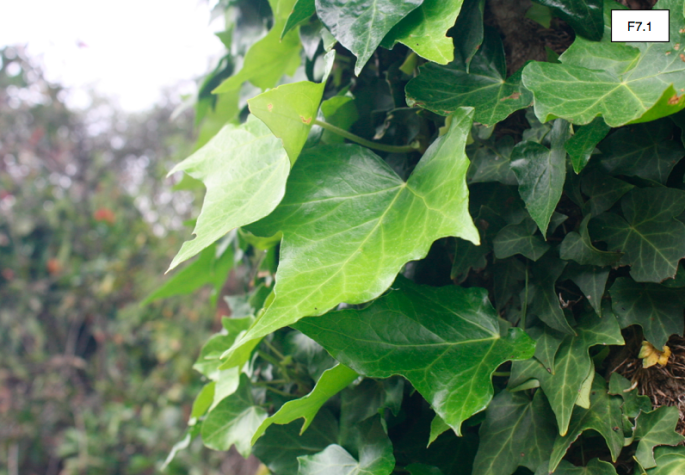
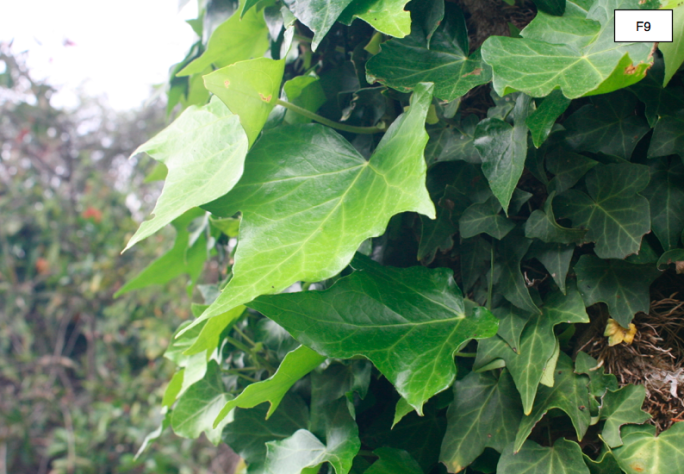
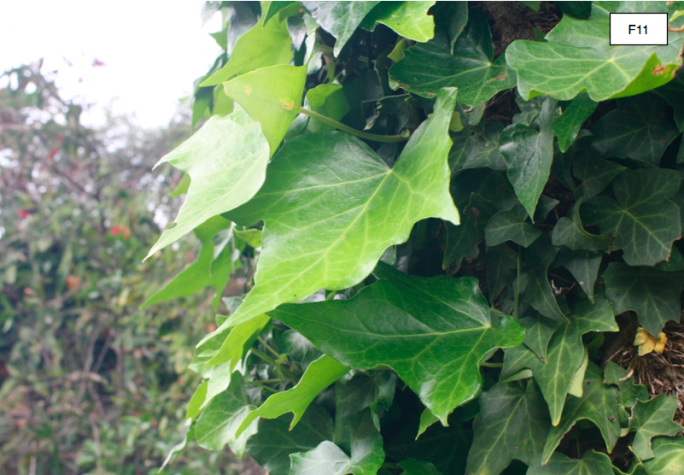
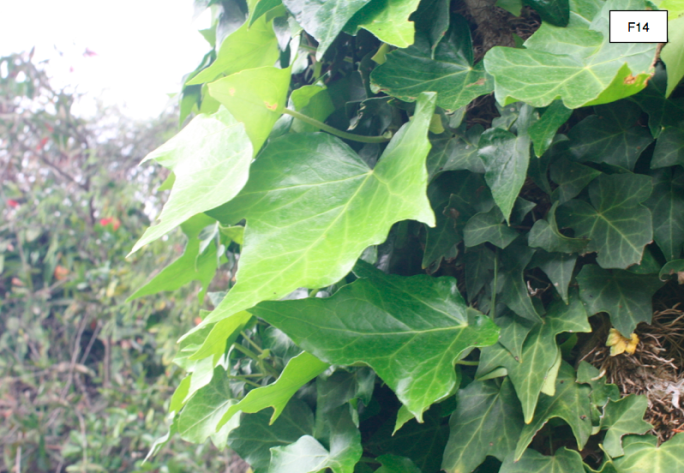
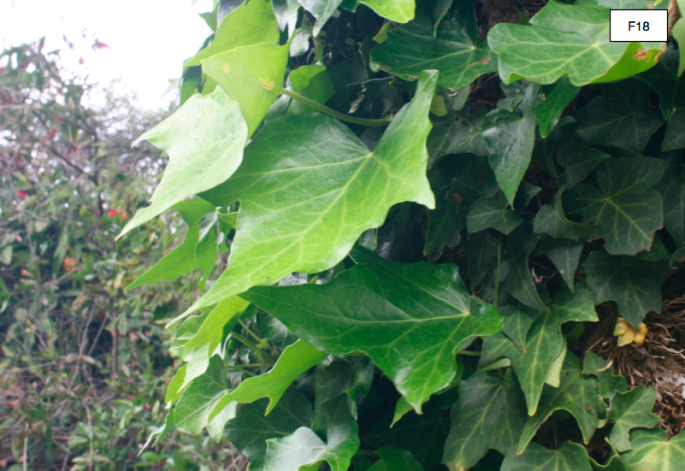

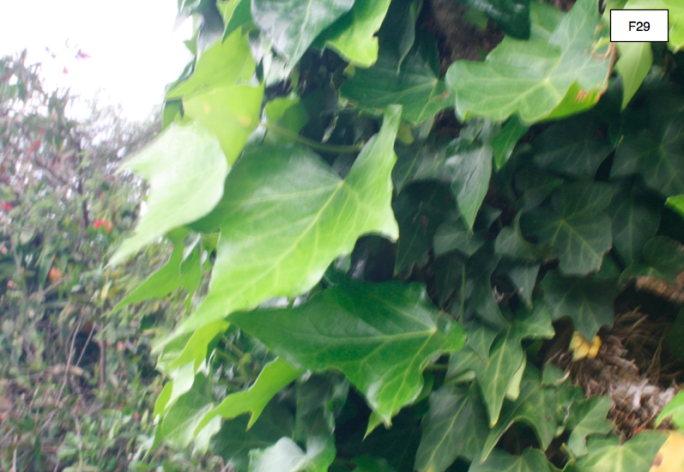
In this exercise I experimented with different aperture settings to compare the affects of depth of field. As the aperture settings rose past F7.1 the photos became blurry and the depth of field was gradually lost as more light filled the image.
With each aperture adjustment the shutter speed changed dramatically. Especially when the aperture got higher for example the F4.5 (the lowest) aperture had a shutter speed of 1/125 and the F29 (the highest) aperture had a shutter speed of 0.30000s.
This can be explained as the aperture hole becomes smaller it allows less light in and a slower shutter speed is used by the camera to compensate. This makes the images more blurry in a bright location making the higher aperture settings more suitable for low light photography. A higher aperture setting can also be used for landscape photography when the whole image is in focus.
Activity 4.2 – Camera, subject and background


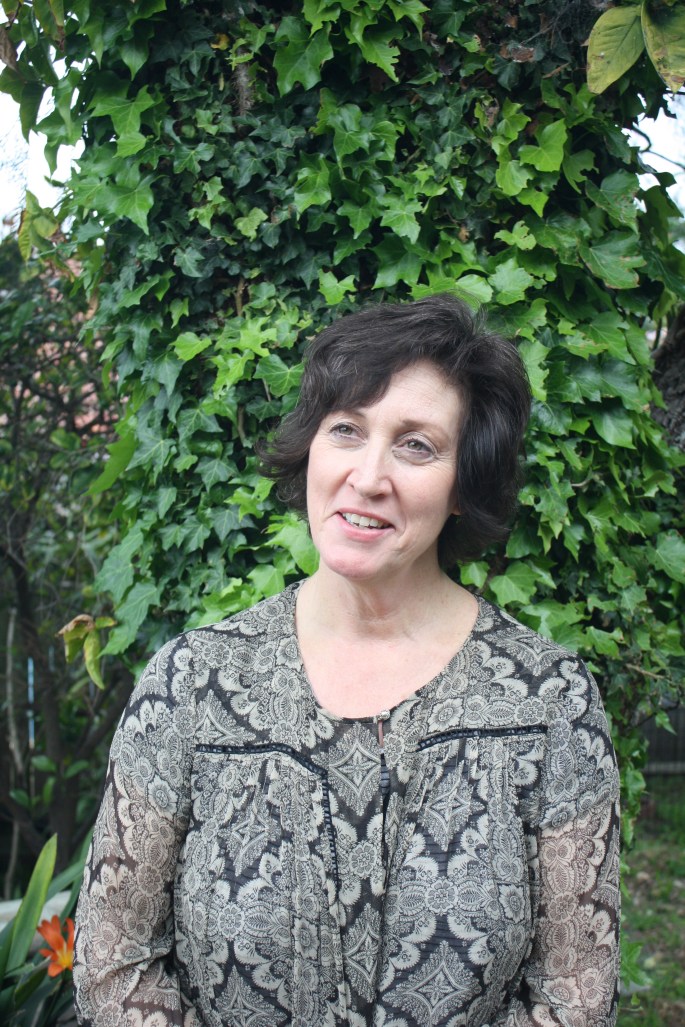
In this exercise i compared the results of the changing distance between the camera, subject and background. And how that affected the depth of field.
While the depth of field is still evident in all 3 images the best example of a depth of field can be seen in the first image (the closest) The background is blurred and the subjects face is in complete focus. The background becomes less blurred as the subject moves farther away. the subjects face also blends into focus with the surroundings rather then being the sole focus.
When it comes to portrait images and product photography for depth of field it is best when the subjects are closer.
- Abbey
 Abbey H Photography